Espanol
Choosing a Cosmetic Dentist: What Patients Should Know


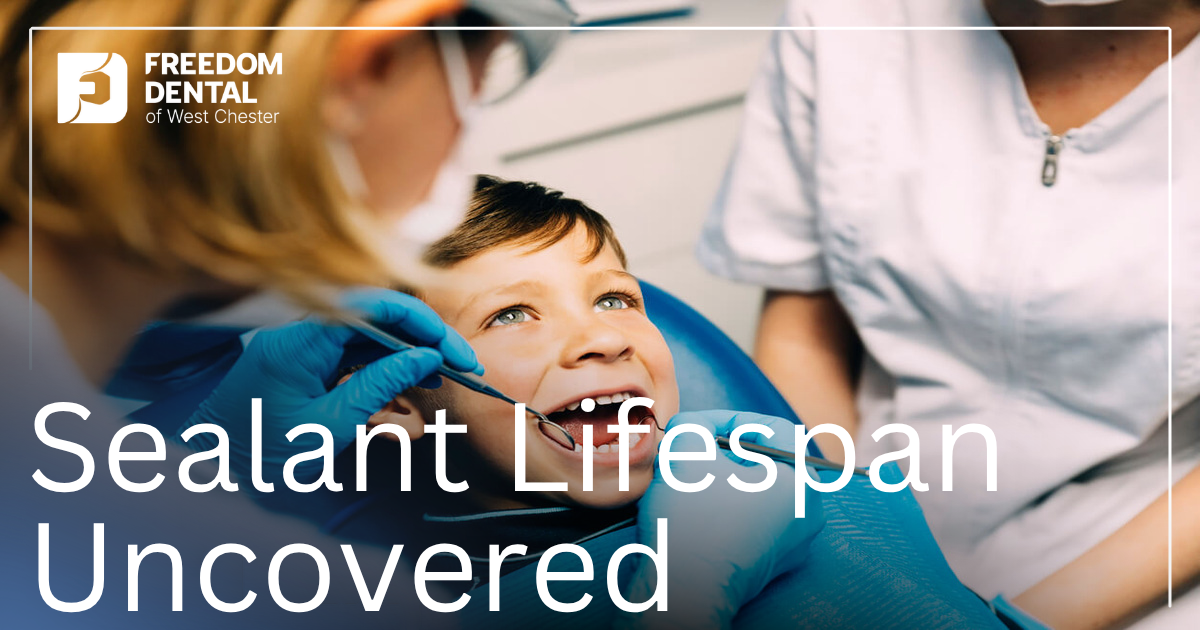
If you are wondering how long do dental sealants last, the short answer is that they can last several years, and in many cases up to 5 to 10 years with the right placement, monitoring, and care. That said, there is no single expiration date stamped on them. Some sealants hold strong for years on the chewing surfaces of molars, while others may wear down sooner because of grinding, diet, or the natural shape of the tooth surface.
For many parents, this question comes up right after a dentist recommends sealants for a child. It makes sense. If you are investing in a preventive treatment, you want to know whether it is truly worth it. The good news is that dental sealants are one of the simplest ways to protect back teeth during the cavity prone years, especially when permanent molars first erupt.
Dental sealants are thin protective coatings applied to the grooves of back teeth, usually the molars and premolars. These teeth do most of the heavy lifting when your child chews, and they also tend to have deep grooves that trap plaque and food particles like crumbs settling into sidewalk cracks.
Because toothbrush bristles do not always reach into those narrow pits, bacteria can settle in and start the process of tooth decay. Sealants act like a rain jacket for enamel. They cover vulnerable areas so cavity causing bacteria, food particles, and acids have a harder time collecting on the tooth surface.
In pediatric dentistry, prevention is everything. Once a cavity starts, the tooth does not heal itself. The goal is to stop the problem before it begins. Dental sealants help protect children’s teeth during the years when brushing habits are still developing and sugary snacks somehow seem to appear everywhere.
Many parents are surprised to learn that even kids who brush regularly can still get cavities on their molars. That is because oral hygiene is not just about effort. It is also about anatomy. Some back teeth simply have deeper, more cavity friendly grooves than others. In pediatric dentistry, applying sealants early can make a big difference in a child’s dental health and help keep healthy teeth intact.
Most dental sealants last between 5 and 10 years, but that range depends on several factors. Some sealants last closer to five years before needing a touch up. Others remain in place much longer, especially when the sealant material bonded well and the child keeps up with good oral hygiene and regular dental checkups.
This is why dentists check sealants during routine visits. A sealant does not have to disappear completely to lose effectiveness. It can wear thin, chip, or lift around the edges. When that happens, bacteria can sneak back into the grooves of the teeth. If a sealant shows signs of normal wear, your dentist can often repair or replace it quickly.
The lifespan of dental sealants is influenced by more than time alone. Think of them like the tread on a tire. Two cars may leave the lot on the same day, but the one driven on rough roads and neglected maintenance will wear out faster.
Here are some of the biggest factors that affect how long do dental sealants last:
Sealants are usually placed on back teeth because those chewing surfaces are most likely to collect plaque and food particles. First permanent molars and second molars take a lot of pressure every day. The more force a tooth absorbs, the more likely the protective coating may wear over time.
A child who has newly erupted permanent molars may get excellent long term value from sealants because those teeth are protected right when they are most vulnerable. That timing matters in pediatric dentistry.
Some molars have deep grooves that almost seem designed to trap trouble. Those teeth often benefit the most from sealing, but they can also present a more complex surface for placement. If the grooves are especially deep, the sealant material has more tiny contours to cover.
When sealants are placed carefully and fully bonded, they can hold up very well. But if moisture interferes during the process, the seal may not last as long.
Children who chew on ice, crunch hard foods constantly, or bite hard objects like pen caps may put extra stress on sealants. That does not mean sealants are fragile, but they are not indestructible either. Hard foods and rough habits can shorten how long sealants last.
Diet also matters because frequent sugary snacks feed bacteria that contribute to cavities. Sealants help protect grooves, but they are not a free pass to ignore oral hygiene habits. Soda, sticky candy, and constant snacking still raise the risk of decay around unsealed areas.
Good oral hygiene helps sealants last. Regular brushing, flossing, and keeping teeth clean reduce plaque buildup around the edges of the sealants. A child with strong oral hygiene habits is less likely to develop decay near the margins.
This is where a child’s oral hygiene habits really shape the outcome. Even a great sealant needs backup from regular brushing and smart home care. Proper care keeps the surrounding enamel strong and supports good oral health overall.
Some children and teens grind their teeth at night without realizing it. That repeated pressure can wear down enamel and any sealants placed on the chewing surfaces. If your child grinds, your dentist may mention it during regular checkups and recommend monitoring or a protective appliance.
In those cases, sealants may still be worthwhile, but they may need closer follow up.
The best time for applying sealants is usually soon after the permanent molars come in. For most children, the first set of permanent molars erupts around ages 6 to 7. The second molars often arrive around ages 11 to 13. These are classic cavity prone years because the teeth are new, the grooves are deep, and oral hygiene habits may still be inconsistent.
That is why the pediatric dental care team often recommends sealants for school aged children once those back teeth are fully accessible. In many cases, sealing early helps protect the child’s teeth before decay ever gets a foothold.
One reason many parents say yes to this preventive treatment is that applying dental sealants is quick, non invasive, and usually very easy for children. There is no drilling, no numbing, and no recovery time. It is a painless process that often takes just minutes per tooth.
The application process usually follows a few simple steps. First, the teeth are cleaned and dried. Then the dentist or dental hygienist places a special solution on the tooth surface to help the sealant material bond. After rinsing and drying again, the sealant is painted into the deep grooves. A curing light is then used to harden the protective coating.
That is it. Applying sealants is one of the most straightforward tools in pediatric dentistry, and it can often be done during the same visit as dental cleanings or an exam.
Yes, sealants work. They are not hype, and they are not cosmetic fluff. They physically block bacteria and food from settling into the grooves where many cavities begin. According to the Centers for Disease Control and Prevention, school sealant programs and broader sealant use can significantly reduce cavities in children.
The American Dental Association also supports dental sealants as an effective way to prevent cavities in children and teens, especially on molars. If you want a deeper look at this topic, Freedom Dental also shares more on the benefits of dental sealants for children.
Yes, but the risk is lower on the sealed areas. Sealants protect the chewing surfaces they cover, but they do not wrap the entire tooth in armor. Cavities can still form between teeth, around the edges of worn sealants, or on smooth surfaces if oral hygiene slips.
That is why sealants should be seen as one layer of protection, not the whole strategy. Good oral hygiene, fluoride treatments, healthy eating, and regular dental checkups all work together. If a cavity does develop elsewhere, treatment such as tooth colored fillings may still be needed.
Most parents cannot easily inspect a sealant at home, and that is normal. Sealants are thin protective coatings, not bulky caps you can always spot in the mirror. Still, there are a few things that may suggest it is time for a dentist to take a closer look.
A sealant may need attention if there are visible cracks, rough edges, or if your child starts having sensitivity when chewing on back teeth. In many cases, though, there are no obvious symptoms. That is exactly why regular dental checkups matter. Dental professionals can see early wear long before it becomes a bigger problem.
Yes, though they are more common in children. Adults with deep grooves, no existing fillings on certain molars, and a higher risk of cavities may still benefit from tooth sealants. The same logic applies: if bacteria tend to collect in the pits of the back teeth, sealing those areas may help protect them.
Still, pediatric dentists and family dentists recommend them most often for children because sealing during the early years can prevent a lot of trouble later. In that sense, dental sealants are a small move with a long shadow.
If you want sealants to last as long as possible, the basics matter more than gimmicks. Keep teeth clean, limit sugary snacks, and make sure your child attends routine visits. Good oral hygiene and regular checkups let your dentist catch wear before it turns into decay.
It also helps to avoid chewing hard objects and to be mindful with very hard foods. Popcorn kernels, ice, and similar habits can stress sealants over time. Fluoride treatments may also support strong enamel around the sealed areas, helping maintain good oral health.
When people ask how long do dental sealants last, they often imagine a one and done answer. But sealants are more like a roof than a battery. The point is not just how long they exist. The point is whether they are still doing the job.
During regular dental checkups, your dentist checks whether the sealants are still intact, whether the margins are sealed, and whether the tooth surface underneath remains protected. That simple follow up is one reason sealants are so effective. They are easy to place, easy to monitor, and easy to refresh if needed.
For families in West Chester and the greater Cincinnati area, dental sealants are often one of the smartest preventive tools available for children’s teeth. They are non invasive, fast, and designed to protect the exact places where many childhood cavities begin.
So, how long do dental sealants last? Usually several years, often 5 to 10, and sometimes longer with proper care, healthy habits, and routine visits. If your child has newly erupted molars, deep grooves, or a history of cavities, it may be the right time to ask your dentist whether sealants make sense.
At Freedom Dental of West Chester, prevention is not treated like an afterthought. It is part of the larger goal: helping children grow up with strong, healthy teeth and fewer surprises in the dental chair.