Espanol
Choosing a Cosmetic Dentist: What Patients Should Know


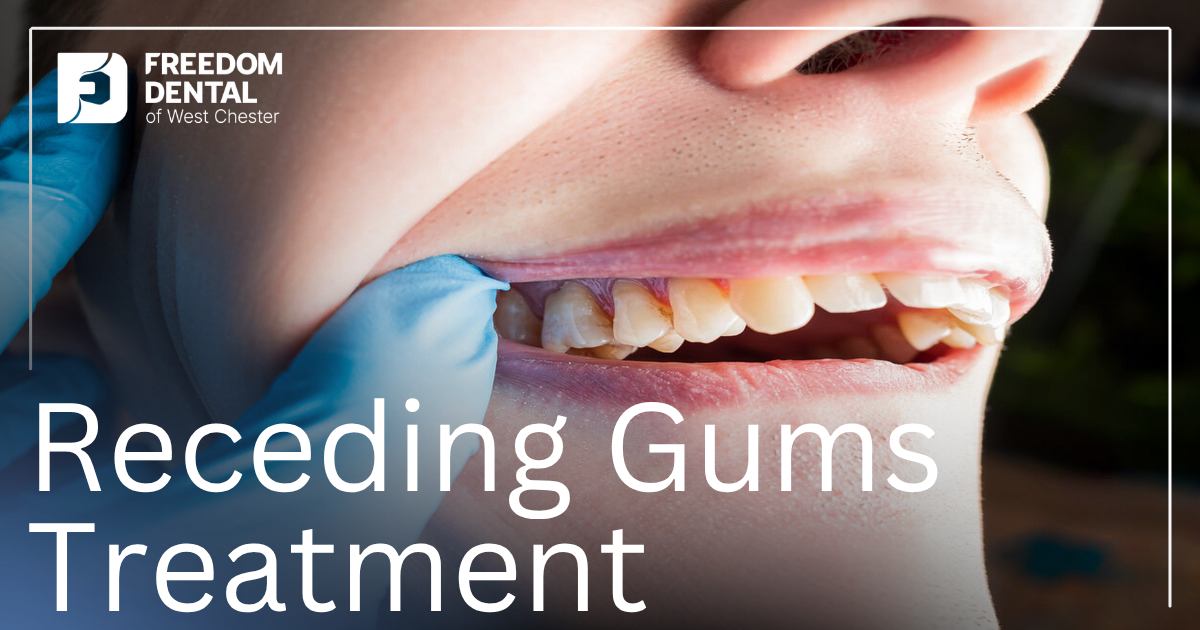
If your teeth suddenly look longer, cold drinks sting more than they used to, or you’ve noticed a notch near the gum line when you brush, you may be dealing with gum recession. It can sneak up quietly. A lot of people assume it is just part of getting older, but that is not the full story.
Knowing how to fix receding gums starts with one important truth: you cannot treat every case the same way. Mild gum recession from brushing too hard is different from severe gum recession caused by gum disease or bite problems. The right answer depends on why the gums are pulling away, how much gum tissue has been lost, and whether the tooth roots and supporting bone are still healthy.
At a practice focused on total health, cosmetic results, and long term function, the goal is not just to make your gums look better. It is to protect your teeth, restore gum health, and stop further damage before small changes turn into bigger oral health problems.
Receding gums happen when the gum tissue surrounding the teeth pulls back or wears away, exposing more of the tooth and sometimes the tooth roots. This changes the shape of the gum line and can leave certain teeth looking uneven, longer, or more vulnerable.
Gum recession is not only a cosmetic issue. When exposed roots lose their natural protection, you may develop tooth sensitivity, a higher cavity risk near the root surface, and irritation that makes brushing uncomfortable. In more advanced cases, untreated gum recession can contribute to tooth mobility, loose teeth, and even tooth loss.
Many patients think of receding gums as a mirror problem. They notice the look first. But the bigger concern is what happens below the surface. Healthy gums act like a collar around each tooth, helping shield delicate root structure from bacteria buildup, temperature changes, and friction.
When gum tissue recedes, it can create spaces where plaque and tartar collect more easily. That can feed gum inflammation and accelerate disease progression, especially if gum disease or periodontal disease is already present. In other words, recession is often a warning light on the dashboard, not just a paint scratch on the car.
There is no single cause behind all receding gums. In some people, the issue is mechanical. In others, it is inflammatory. Often, it is a mix of several risk factors working together over time.
One of the most common causes is gum disease. When bacteria settle along the gum line and below it, they can irritate the tissues and slowly damage the attachment that keeps the gums snug against the teeth. If left untreated, gum disease can progress into periodontal disease, where both gum tissue and supporting bone are affected.
Another major cause is aggressive brushing. It sounds backward, but brushing harder does not mean brushing better. A heavy hand and a stiff brush can wear the gum margin away little by little, especially around the canines and premolars. Using a soft bristled toothbrush is often a simple but important change.
Other causes of gum recession include:
Sometimes patients ask, can receding gums happen even if I brush and floss every day? Yes, they can. Recession is not always about neglect. Thin tissue, bite stress, and past orthodontic treatment can all play a role.
Not every case of gum recession hurts right away. In fact, some people are surprised when a dentist points it out during an exam because they have had no pain at all.
Still, there are signs worth paying attention to. These include tooth sensitivity with cold foods, visible exposed tooth roots, teeth that appear longer than before, tenderness along the gum line, and small grooves near the base of a tooth. Some patients also notice bleeding when they brush, especially if gum inflammation is present. If that sounds familiar, this page on why gums may bleed during brushing or flossing can help connect the dots.
As recession becomes more advanced, you may also notice loose teeth, bad breath, or spaces forming between teeth that did not used to be there. Those are signs you should not ignore.
This is one of the most searched questions for a reason. People want to know whether receding gums grow back naturally once they start brushing better or using mouthwash.
In most cases, receding gums grow back only in a very limited sense, if at all. Once significant gum tissue has been lost, the body usually does not rebuild that missing gum tissue on its own. Swelling can go down, inflammation can improve, and the area can become healthier, but that is not the same as replacing lost gum tissue.
So if you are wondering whether receding gums grow back, the realistic answer is this: the damage can often be stabilized, symptoms can be reduced, and in some cases surgery can restore lost gum tissue. But waiting for gum tissue grow back by itself is usually not a sound plan.
The best approach to how to fix receding gums begins with diagnosis, not guessing. A dentist or periodontal provider will examine the gum line, measure periodontal pockets, check for gum disease, and evaluate whether the exposed roots are caused by inflammation, trauma, bite pressure, or anatomy.
This matters because the right treatment plan for mild gum recession may be conservative, while severe gum recession may need surgical treatment. The sooner gum recession is identified, the more options you usually have.
When gum recession is caught early, non surgical treatments may be enough to stop it from getting worse and improve gum health. These approaches do not magically rebuild missing gum tissue, but they can reduce irritation, protect your teeth, and stabilize the area.
A common first step is a professional evaluation and cleaning. If plaque and tartar are contributing to inflammation, your dentist may recommend more frequent dental cleanings and a better home routine. Improving oral hygiene is often the foundation of every successful gum recession treatment.
For patients with sensitivity, desensitizing toothpaste can help calm irritated exposed roots. It does not fix receding gums structurally, but it can make eating and brushing far more comfortable. Many people benefit from desensitizing toothpaste twice daily while the underlying issue is being treated.
A few non surgical treatments often used for mild gum recession include:
These steps can improve gum health and help prevent gum recession from progressing further.
If gum recession is tied to gum disease, one of the most effective early treatments is scaling and root planing. This deep dental cleaning removes bacteria, plaque, and tartar from below the gum line and smooths the root surfaces so the tissue can heal more effectively.
Scaling and root planing is often recommended when periodontal pockets have formed or when periodontal disease is active. Think of it as clearing debris from the foundation before trying to repair the structure above it. If the root surface stays coated in bacteria, the gums have little chance to settle down.
Root planing in particular helps remove rough areas where bacteria cling. Combined with scaling and root planing, this can reduce gum inflammation, support healing, and slow disease progression. In many cases, it is the first phase of periodontal treatment before any decision about surgery is made.
Patients who need periodontal care for infected or inflamed gums are often dealing with more than appearance alone. The goal is to treat gum disease, restore gum health, and protect the supporting bone around the teeth.
If there is significant recession, exposed tooth roots, or lost gum tissue that leaves the teeth vulnerable, surgical treatment may be the most predictable way to fix receding gums. This is especially true when the recession is causing discomfort, root decay risk, or cosmetic imbalance in the smile.
Surgical intervention is typically considered when non surgical treatments can control the cause but cannot replace the tissue that is already gone. In those cases, the focus shifts from stopping the problem to rebuilding coverage and protecting the area long term.
Not every patient needs surgery, but when they do, it can make a dramatic difference in comfort, appearance, and periodontal health.
Gum grafting is one of the most established ways to restore lost gum tissue. During gum grafting procedures, healthy tissue is placed where recession has occurred to cover exposed roots and thicken the gum margin.
Soft tissue grafting can be done in a few different ways depending on the location and the amount of missing gum tissue. Some grafts use tissue from the roof of the mouth. Others may use donor material. The goal is to restore healthy tissue, protect exposed roots, and create a more stable gum line.
Gum grafting is often recommended when there is:
For the right patient, gum graft surgery can restore gum health, improve appearance, and help protect your teeth from further damage.
You may have heard about the pinhole surgical technique as a less invasive way to address gum recession. This method uses a small entry point to reposition existing tissue rather than harvesting graft tissue in the traditional way.
The pinhole surgical technique can be appealing because it may involve less postoperative discomfort in selected cases. However, it is not ideal for every pattern of recession. Some patients still get better long term results with conventional gum grafting procedures, especially when there is very thin tissue or a need to restore lost gum tissue more substantially.
That is why treatment should be based on what your gums actually need, not just what sounds easiest online.
Sometimes the issue is not infection but force. Teeth that are out of alignment, teeth under heavy bite pressure, or clenching habits can contribute to gum recession over time. In those situations, simply cleaning the area may not be enough.
Orthodontic treatment can occasionally help if misaligned teeth are placing stress on the gum tissue surrounding them. Moving a tooth into a healthier position may make the tissue easier to maintain and reduce future trauma. On the other hand, orthodontic treatment needs careful planning in patients who already have thin gums, because movement in the wrong direction can worsen recession.
This is another reason a full exam matters. The question is not just how to fix receding gums today, but how to keep them from slipping backward again six months from now.
Good home care does not replace professional treatment, but it absolutely affects the outcome. If you have receding gums, your daily routine should be gentle, consistent, and specific.
Use a soft bristled toothbrush and small circular motions instead of a hard horizontal scrub. If you have been brushing like you are trying to sand paint off a wall, now is the time to ease up. A lighter touch can improve gum health without sacrificing cleanliness.
Floss or clean between the teeth daily, and follow the instructions your dental team gives you after any deep cleaning or surgical treatment. Desensitizing toothpaste can help protect exposed roots and reduce tooth sensitivity while tissues recover. Avoid chewing tobacco, which is strongly associated with poor healing and ongoing gum problems. Chewing tobacco also increases irritation in the exact tissues you are trying to preserve.
Once you fix receding gums or stabilize them, the next goal is to prevent receding gums from coming back or worsening. Recession has a habit of returning when the original cause is left in place.
To prevent gum recession, keep up with dental cleanings, maintain good oral hygiene, and address habits like clenching, aggressive brushing, or chewing tobacco. If gum disease has been part of the picture, ongoing periodontal treatment may be needed to preserve long term oral health.
A healthy smile is not just about white teeth. It is also about strong, even gums that protect your teeth day after day.
If you notice exposed tooth roots, tooth sensitivity, a shifting gum line, or teeth that suddenly look longer, do not wait for pain. The sooner gum recession is evaluated, the easier it is to stop further damage and build the right treatment plan.
For some patients, the fix is a deep cleaning and better brushing technique. For others, it may involve root planing, soft tissue grafting, or another surgical treatment. Either way, early care is almost always simpler than waiting until bone and tooth loss become part of the story.
How to fix receding gums is not about chasing a miracle rinse or hoping the problem reverses on its own. It is about identifying the cause, protecting the tooth roots, and choosing the right mix of professional treatment and home care.
If the problem is early, non surgical treatments like improved oral hygiene, desensitizing toothpaste, and scaling and root planing may be enough to stabilize things. If tissue has been lost, gum grafting or another surgical treatment may be the best path to cover exposed roots and restore gum health.
The most important thing is not to ignore recession just because it seems small. Gums do not usually send dramatic warnings at first. They whisper. And the patients who do best are the ones who listen early.