Espanol
What Does It Mean to Look at Your Complete Oral Health?


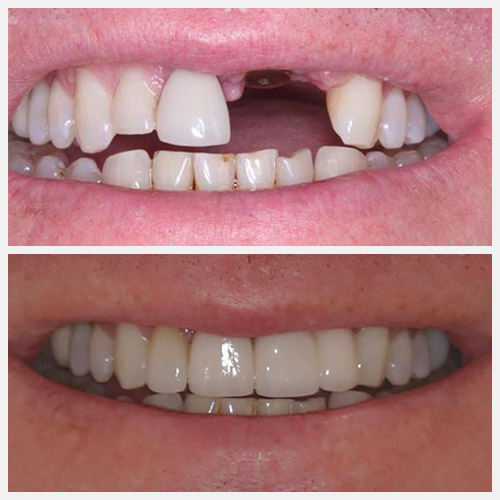
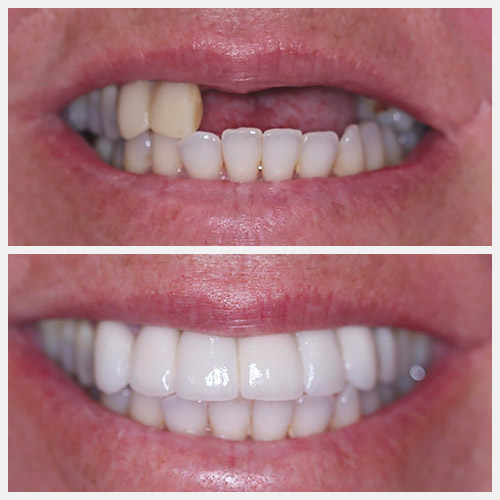
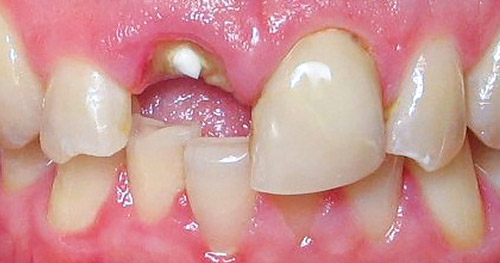
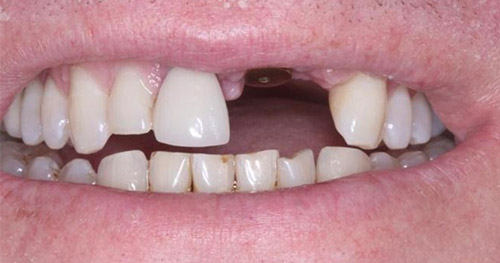
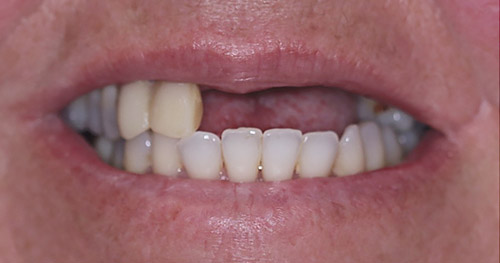
Losing a tooth due to injury, dental decay or gum disease is a common occurrence. In order to avoid further damage to adjacent teeth and your overall dental health, however, it is important to replace the lost tooth. Dental treatments that are used to fix this issue include fixed bridges, removable partial or full dentures, as well as a popular procedure known as dental implants.
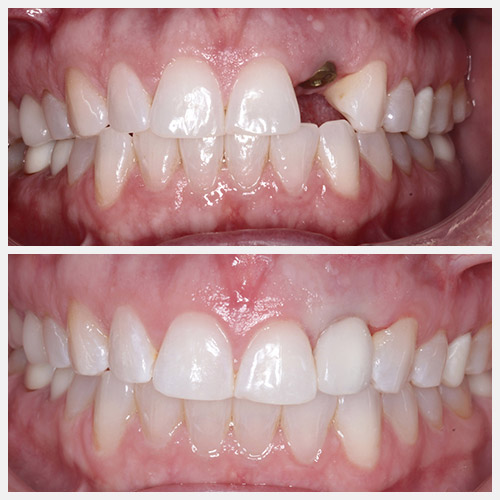
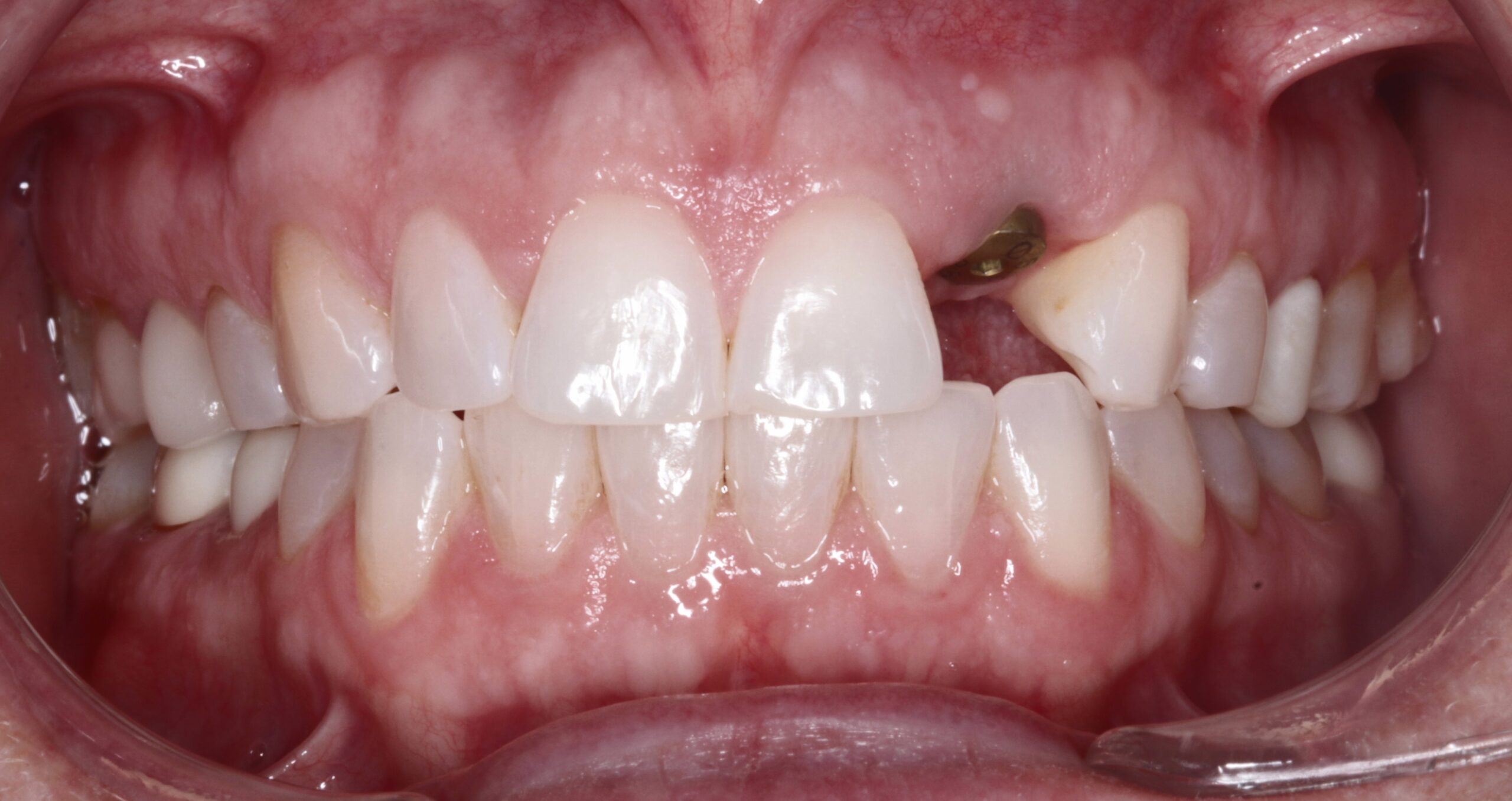
Dental implants are one of the most significant dental innovations in recent times. The implant is a small surgical fixture made of biocompatible metal or ceramic materials that is positioned in the jawbone. It functions just like the root of a tooth, and once it is placed, the implant will fully integrate into the bone and provide a stable, permanent foundation for a replacement tooth, also known as a crown. Implants are a replacement for a single tooth, but can also be used as abutment teeth for a dental bridge, or to stabilize a denture.
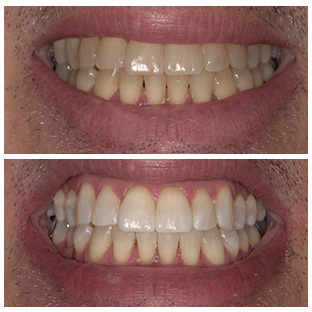
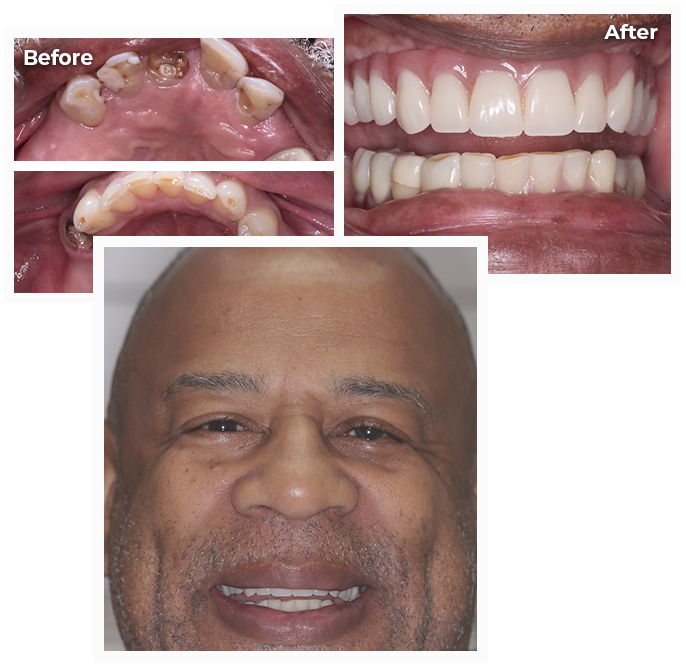
Dental implants are the one restorative treatment that comes the closest to replicating the look, feel and function of natural teeth. What’s more, it is the only tooth replacement treatment that does not involve the use of adjacent teeth, helping maintain their natural health. Benefits of implants also maintain your overall dental health. The dental implant stimulates your jaw bone, which prevents it from shrinking in places where teeth are missing. They also help restore facial contours in areas where bone loss has occurred.
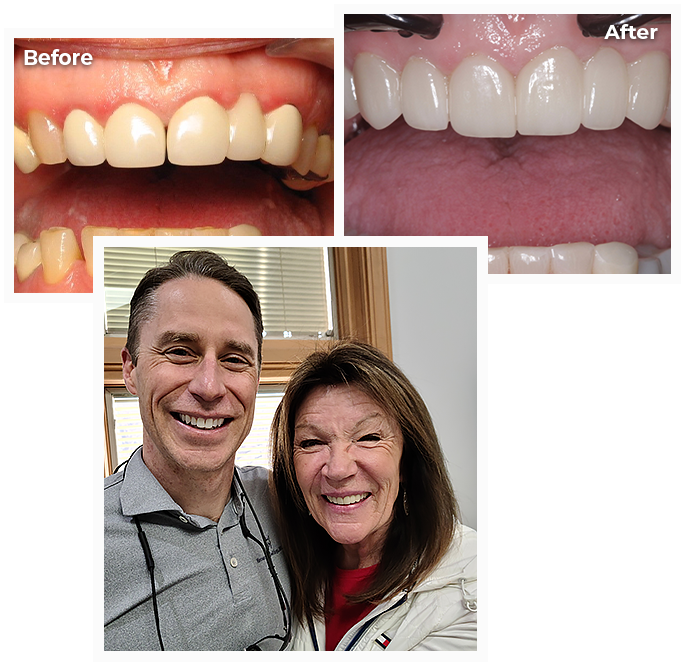
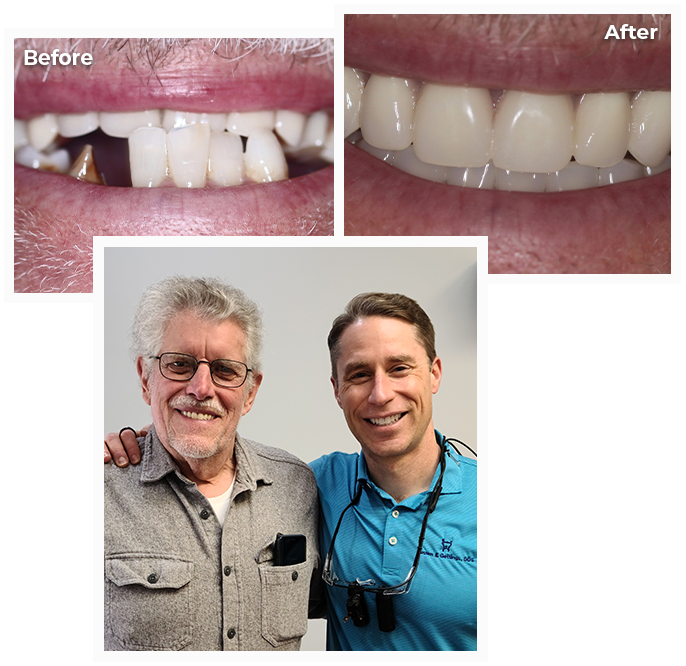
According to Dr. Brown, dental implant placement and restoration have often been more comfortable for his patients than the tooth removal, healing, or dental problems that came before. Every situation is different, and the practice says it takes care to keep discomfort as low as possible throughout the process.

The site is prepared for the placement of the dental implant.

The implant is then placed into the jaw bone.

Finally, the replacement tooth is set into the implant and secured into place.
Once in place, your tooth is restored to optimal shape and function, while it stabilizes, protects and preserves the surrounding bone and tissue.
Dental implants are designed to last for decades when cared for properly. The implant becomes part of your jawbone, making it one of the most durable tooth replacement options. With good home care and routine visits, most implants remain stable for a lifetime.
Most patients say the procedure is much easier than they expected. You’ll be completely numb during placement, and many people return to normal activities the next day. Any soreness afterward is usually mild and can be managed with over-the-counter medication.
Most implant cases take 3–6 months, depending on healing and whether additional steps like bone grafting are needed. Some patients qualify for faster timelines, and we’ll outline your exact treatment plan at your consultation.
A bone graft adds support to areas where the jawbone has thinned or shrunk. Not everyone needs one, but it helps create the stability an implant needs to last long-term. We’ll evaluate this with digital imaging to see if it’s necessary.
Yes. Dental implants have a long history of success and are considered one of the safest and most predictable dental procedures. We use high-quality materials and precise planning to ensure a stable, healthy outcome.
Implants look and function like natural teeth and help preserve your jawbone over time. Unlike dentures, they don’t shift or require adhesives. And unlike bridges, they don’t rely on neighboring teeth for support.
Most patients experience mild swelling or tenderness for a couple of days. You can usually return to normal activities within 24 hours, and we provide simple home-care instructions to help the area heal smoothly.
Implant costs vary based on how many teeth are being replaced and whether additional procedures are needed. We’ll give you a clear breakdown during your consultation and review any financing options to make treatment affordable.
Most healthy adults qualify for implants. We’ll take digital imaging to make sure your jawbone is strong enough and review your medical history. Even if you’ve been told you’re not a candidate before, modern techniques have expanded options for many patients.
Smoking doesn’t automatically disqualify you, but it can slow healing and increase risk of complications. If you smoke, we’ll discuss how to support a successful outcome and whether temporary adjustments are needed.
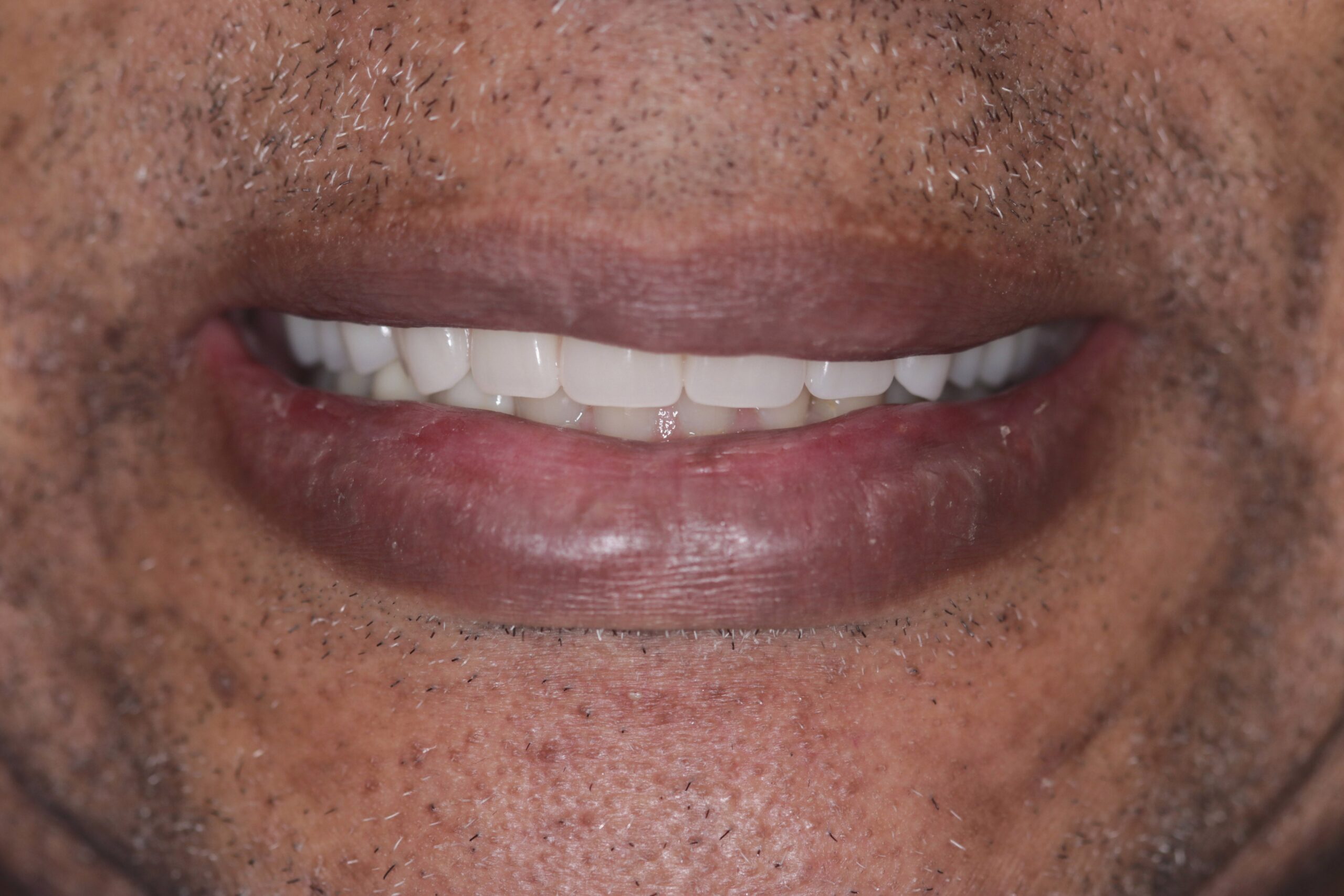
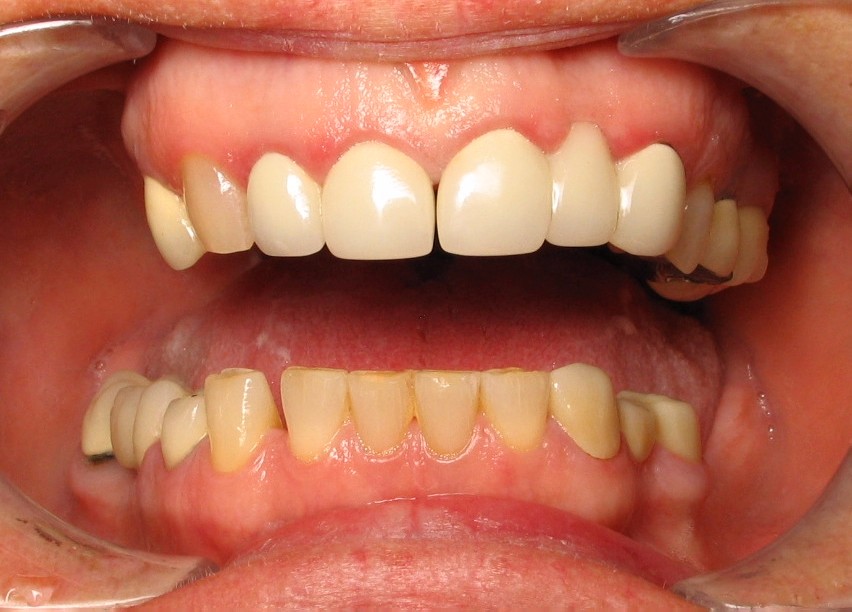
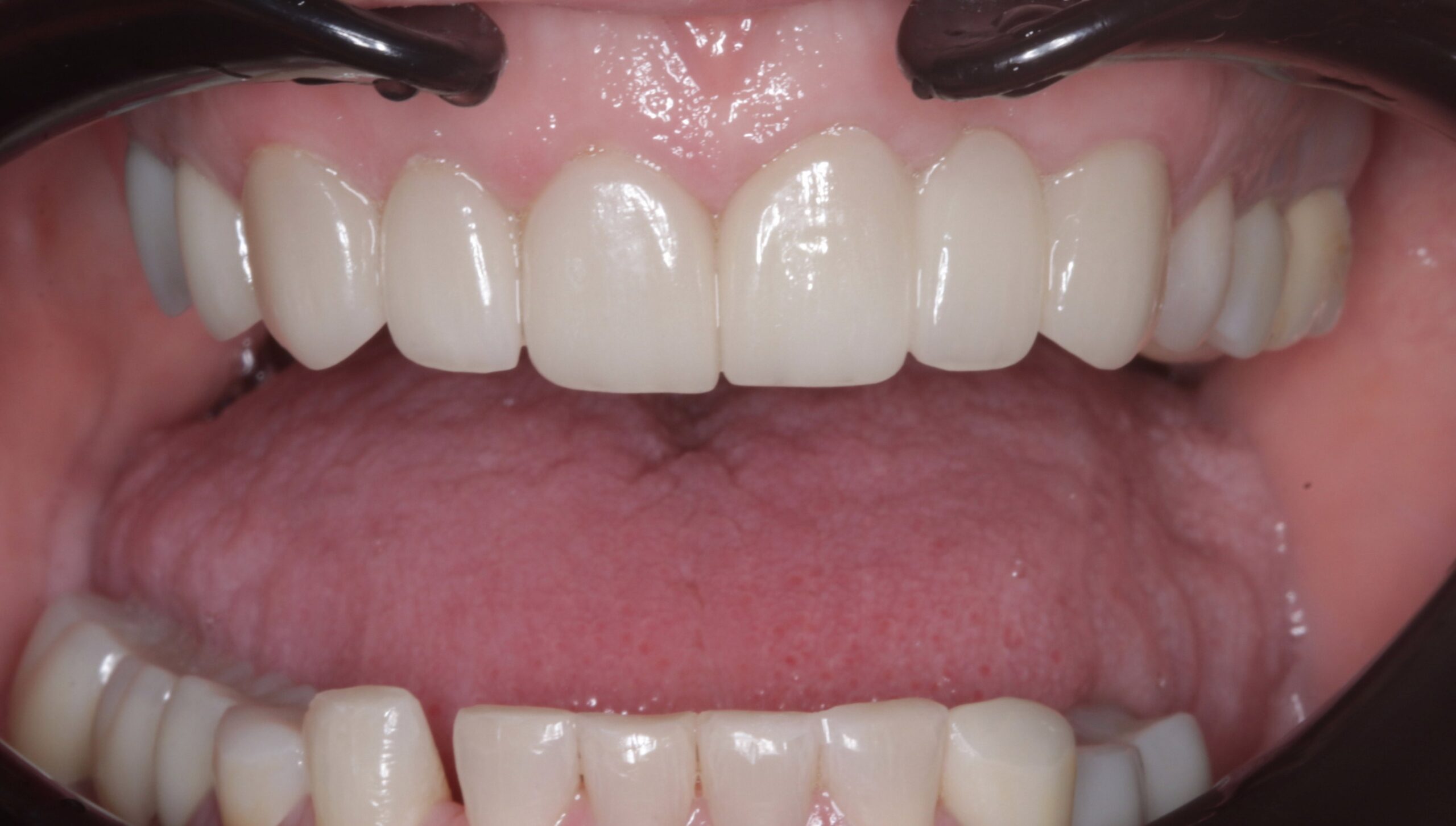
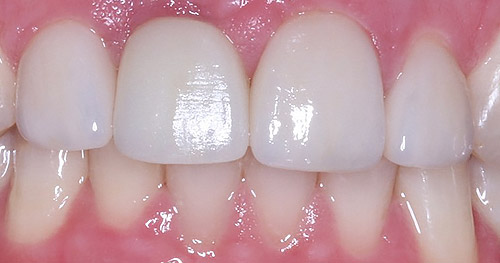
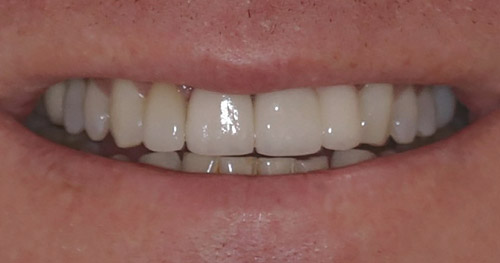
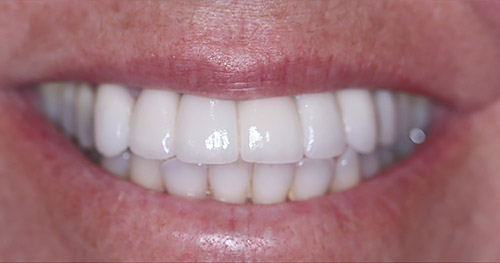
Yes. The crown attached to your implant is custom-made to match the color, shape, and size of your natural teeth. Most people cannot tell which tooth is the implant.
Implants are cared for just like natural teeth: brushing, flossing, and routine hygiene visits. Good home care helps protect the gum tissue around the implant and ensures long-term success.
In most cases, yes. If an implant didn’t integrate properly or has been damaged over time, we can often replace it after evaluating the area and giving it time to heal.
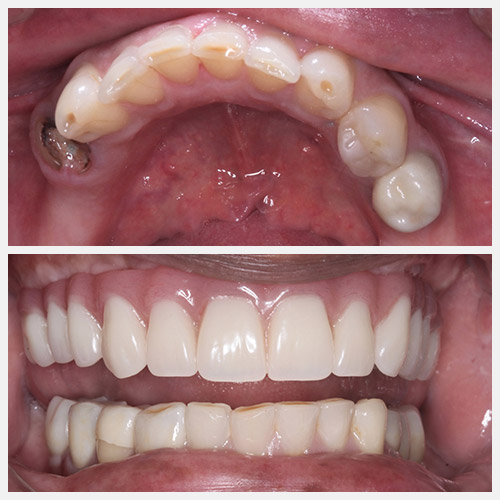
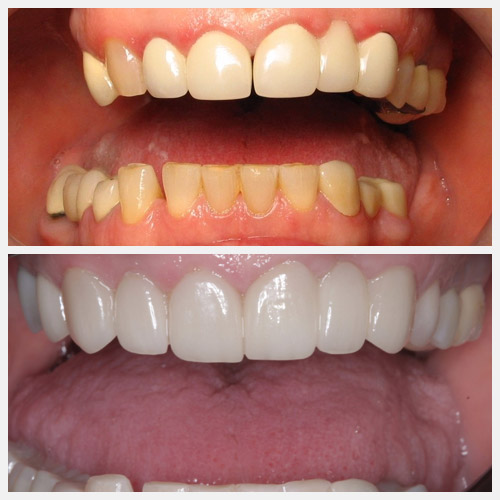
Full-arch implants replace an entire upper or lower arch of teeth using a small number of implants for stability. This treatment is ideal for patients with failing teeth, denture frustration, or complex dental concerns.